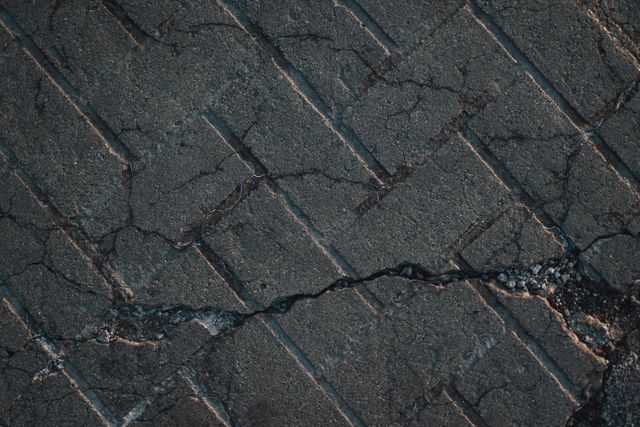
Polished Concrete Adelaide Cost a concrete driveway should last for decades, not just a couple of years. Yet it’s surprisingly common to see Adelaide driveways develop cracks long before they should. While many people blame the concrete itself, the real cause usually starts well before the slab is poured.
At Pro Concreting Adelaide, we’ve inspected and repaired many cracked driveways across Adelaide. In most cases, the damage could have been prevented with proper planning, quality materials and experienced installation. Here’s why some driveways fail early—and how you can avoid the same costly mistakes.
Poor Site Preparation
The biggest cause of early driveway cracking isn’t the concrete—it’s the ground underneath.
If the soil isn’t excavated, compacted and prepared correctly, the slab won’t have the stable support it needs. As the ground settles, the concrete moves with it, creating cracks and uneven sections.
A solid foundation is the first step towards a driveway that lasts.
Adelaide’s Reactive Soil
Many Adelaide suburbs have reactive clay soils that expand when wet and shrink during dry weather.
This constant movement places pressure on the concrete. Without the right slab design and reinforcement, even a new driveway can develop cracks within a short period.
That’s why understanding local ground conditions is just as important as choosing the right concrete mix.
Inadequate Reinforcement
Concrete is strong under compression, but reinforcement helps it cope with movement and everyday loads.
If reinforcement is missing, incorrectly positioned or insufficient for the project, the driveway becomes far more vulnerable to cracking.
At Pro Concreting Adelaide, we never overlook reinforcement because it’s critical to long-term durability.
Poor Drainage
Water is one of concrete’s biggest enemies when drainage isn’t planned properly.
If water pools on the driveway or seeps beneath the slab, it can weaken the supporting base and contribute to movement over time.
Every quality driveway should include the correct slope to move water away quickly and efficiently.
Using the Driveway Too Soon
Fresh concrete needs time to cure before it’s exposed to vehicle traffic.
Driving on a new driveway too early can weaken the surface and create stress before the concrete reaches its full strength.
Following the recommended curing period is a simple step that protects your investment.
Choosing the Cheapest Quote
One of the most common regrets we hear is, “I wish I’d spent a little more.”
The cheapest quote often comes with compromises such as:
- Poor base preparation
- Less reinforcement
- Thinner concrete
- Lower-quality workmanship
Those initial savings can quickly disappear when repairs or replacement become necessary.
Lack of Ongoing Maintenance
Even quality concrete benefits from basic maintenance.
Small cracks should be repaired early, and decorative concrete should be resealed when needed. Keeping water, oil and debris off the surface also helps extend the driveway’s lifespan.
A little maintenance today can prevent major repairs tomorrow.
Experience Makes the Difference
Building a durable driveway is about much more than pouring concrete. Site preparation, reinforcement, drainage, finishing and curing all need to work together.
At Pro Concreting Adelaide, every driveway is designed for Adelaide’s conditions and built with long-term performance in mind. We focus on the details that many homeowners never see—but they’ll certainly notice if they’re missing.
Final Thoughts
If a driveway is cracking within two years, there’s usually an underlying cause rather than simple bad luck. Poor preparation, reactive soil, inadequate reinforcement and drainage issues are some of the most common reasons new driveways fail early.
Choosing an experienced contractor from the start can save you significant time, money and frustration. At Pro Concreting Adelaide, we build concrete driveways that are designed to handle Adelaide’s climate, local soil conditions and everyday use. Contact our team today for expert advice and a no-obligation quote.